
BoneAge
AI-powered Bone Age assessment
BoneAge automates bone age assessment using the Greulich & Pyle atlas method, the gold standard, helping radiologists detect an advanced or delayed age development, additionally saving valuable time while ensuring precision.

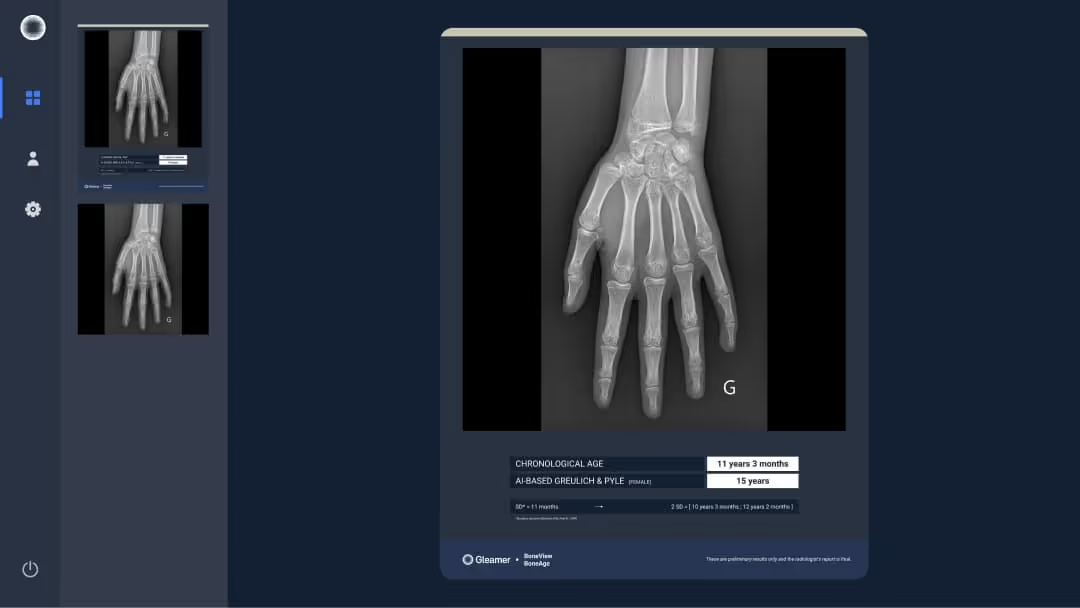
BoneAge is intended to assist in the diagnosis of patients between 3 to 18 years old undergoing X-ray Bone Age exams to assess the maturity of a child's skeletal system in healthcare settings.
A closer look at BoneAge
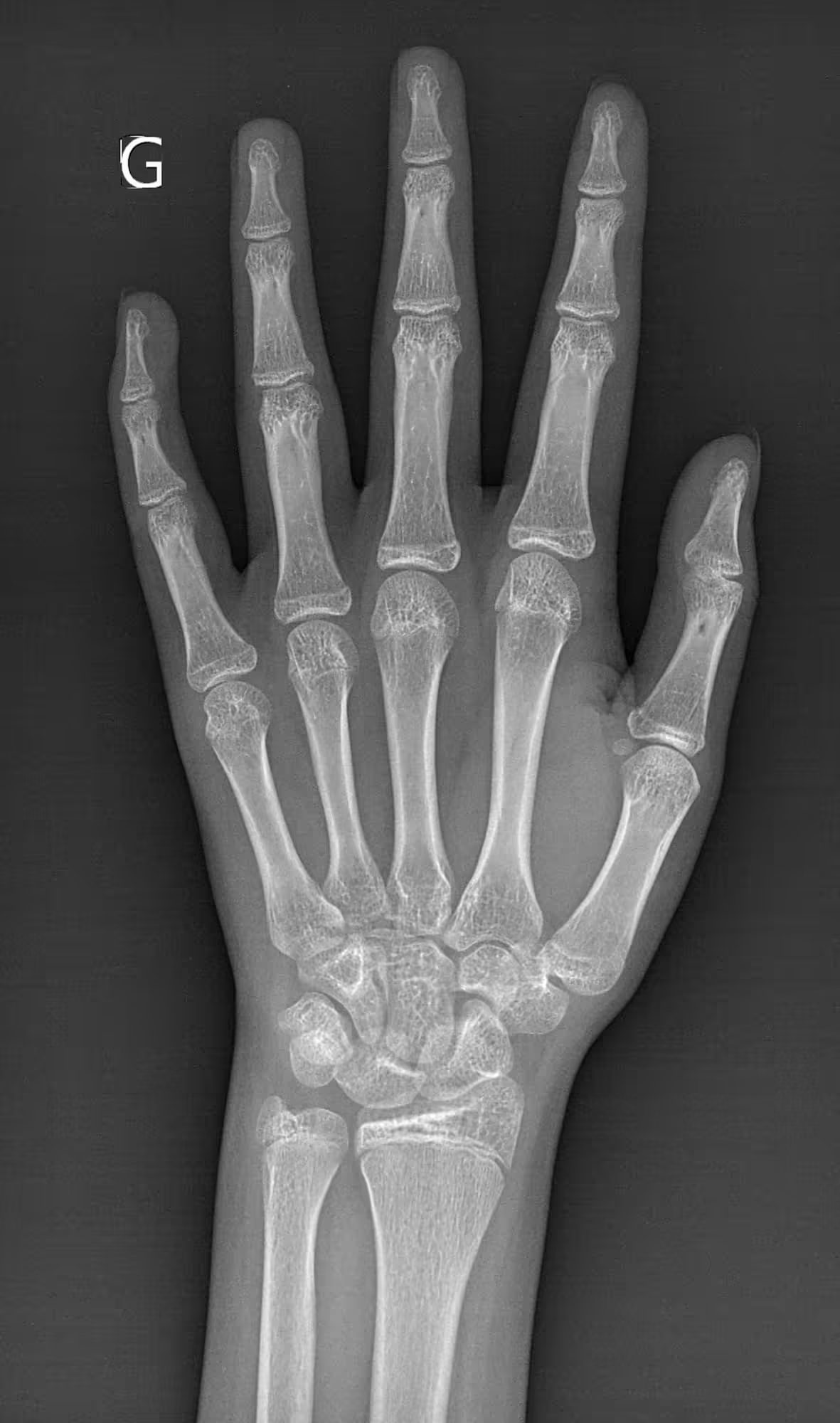
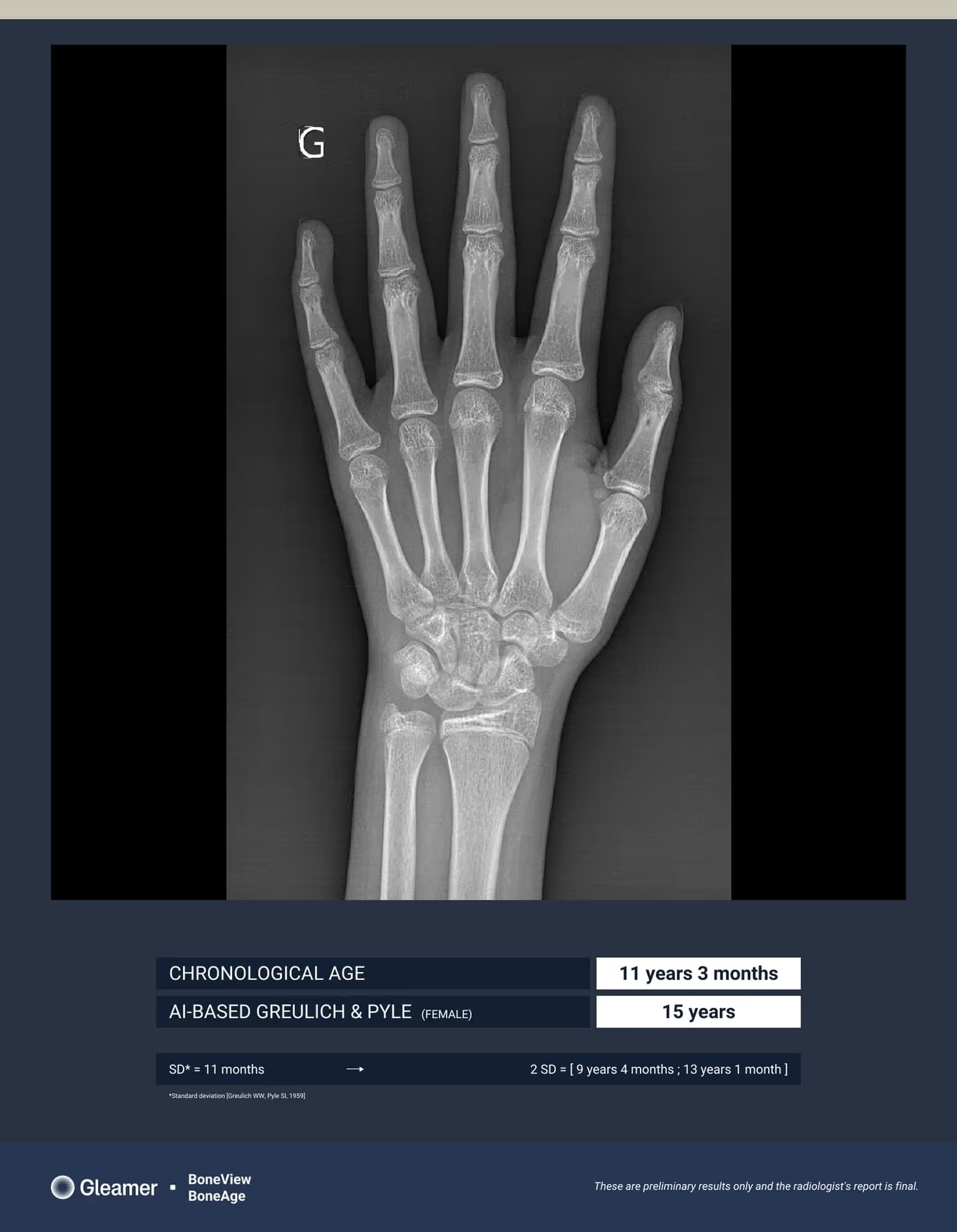
Indication
An 11-year-old girl presenting for bone age assessment due to signs of early puberty.
Results
BoneAge analysis indicates an advanced bone age compared to the patient’s chronological age.

For Children
Designed for children aged 3 - 18 years undergoing skeletal age assessment.

Comprehensive Body Coverage
BoneAge is designed for frontal hand acquisition using the Greulich & Pyle method.
Specific features
Discover more about BoneAge

Predicts Adult height
BoneAge calculates the predictive patient’s adult height and includes it in the results. Automatically calculated from the AI bone age and displayed alongside the core results, it offers clinicians a deeper perspective into patient growth trajectories, all in a single, streamlined view.
Our user-friendly summary table streamlines the process and enhances clinician satisfaction, optimizing workflow and improving patient outcomes.
Clinical Studies
BoneAge
Clinical Validation of an Artificial Intelligence Software for Bone Age Assessment based on Greulich & Pyle method in a Portuguese Paediatric Cohort.
Simões, A. M., Meneses, J. P., Oliveira, P. G. & Abrantes, J.
BoneAge
A critical comparative study of the performance of three AI-assisted programs for bone age determination
Pape J., Rosolowski M., Pfäffle R., Beeskow A. B., Gräfe D.
BoneAge
High performances in bone age estimation using an artificial intelligence solution
Nguyen T, Hermann AL, Ventre J, Ducarouge A, Pourchot A, Marty V et al.
Boost your workflow with the power of advanced integrations
Designed with radiologists, our workflow integrations blend effortlessly into daily routines, enhancing speed, clarity, and confidence at every step.
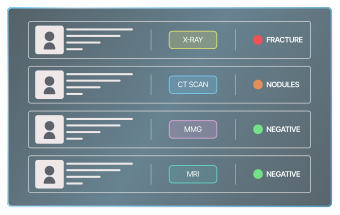
AI-powered Worklist
Worklist now highlights AI results, findings, and automatically prioritizes urgent patient cases.
Shadow Mode
AI results appear on native images, where radiologists can review, accept, or reject, all within their workflow.

Part of Gleamer Copilot
Gleamer Copilot is the all-in-one AI platform that supports radiologists from image to report. It combines powerful detection tools, smart measurements, and structured reporting to boost accuracy and efficiency, all seamlessly integrated into your workflow.
¹MAE of BoneAge is smaller than that of readers with 0.49 (6 months) vs. 0.72 years (9 months). (Nguyen et al., Diagnostic and Interventional Imaging, 2023)
²Data is based on internal analysis. BoneAge predicts a class that falls within +/-1 G&P class in 97.1% of cases.
³Data based on internal analysis. Reading times decreased on average from 62.8s to 17.7s per exam.
For the latest regulatory information, refer to: https://www.gleamer.ai/privacy-policy